
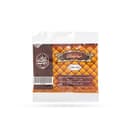
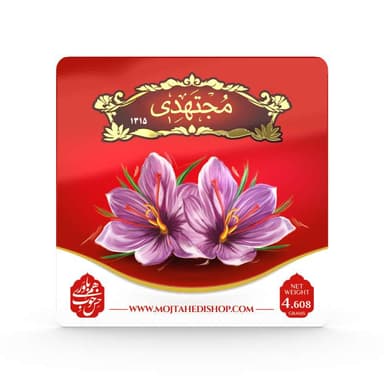
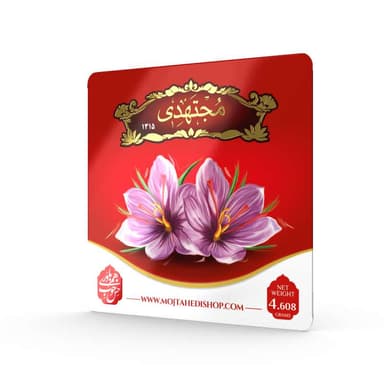
Mojtahedi Sargol Saffron Sachet, 1 Mesghal
1,980,000Toman
The authentic aroma and taste of Khorasan, since 1936Shipping across Iran
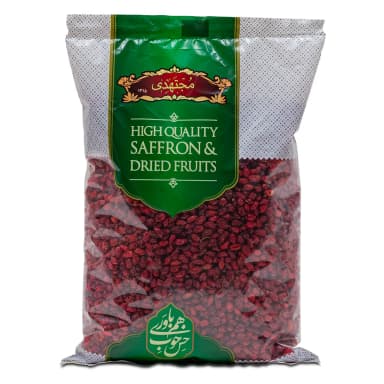
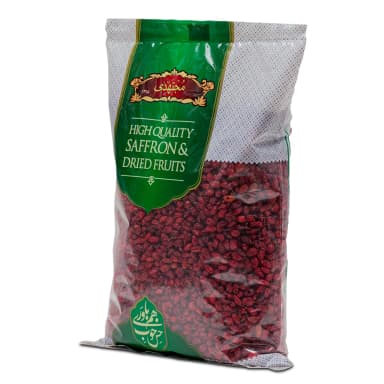
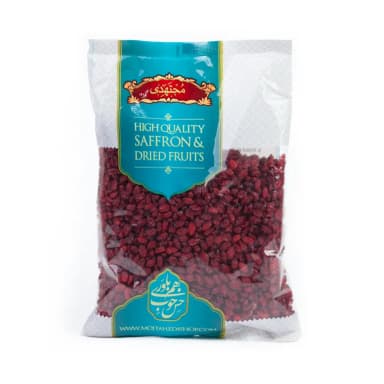
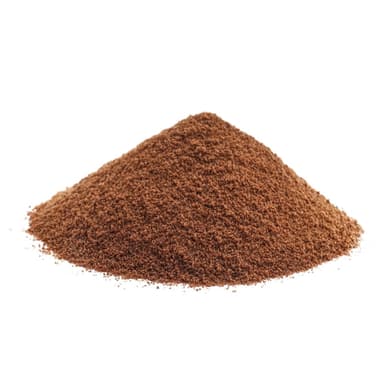
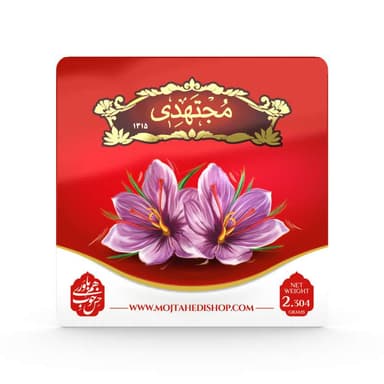
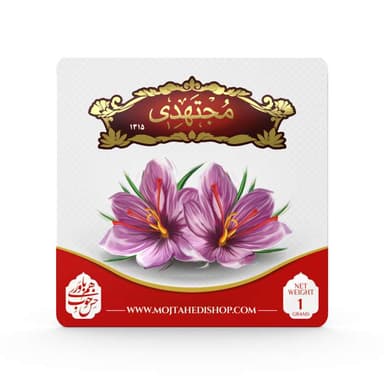
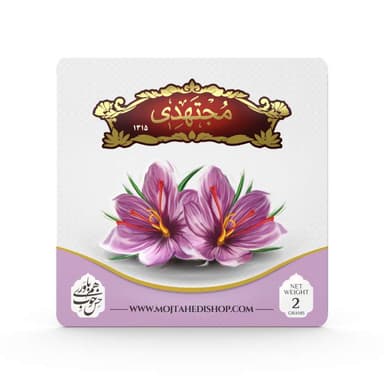
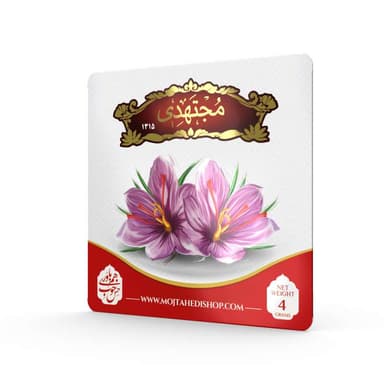
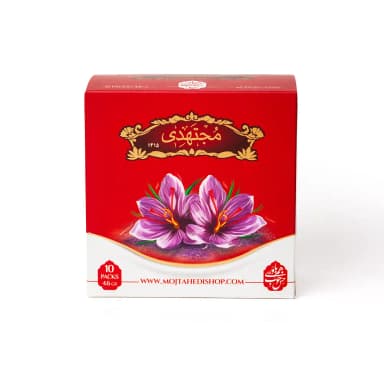
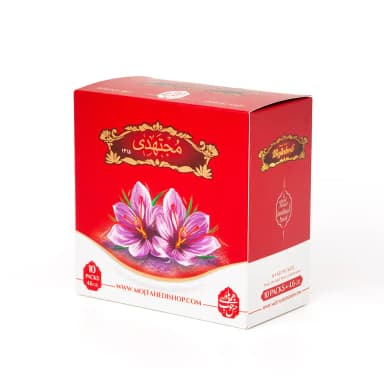
Mojtahedi saffron root has a wonderful aroma and is used in many Iranian dishes as well as herbal infusions and teas. Saffron root, also called the style, the white part or the stem, costs much less than other types of saffron. The reason is its low coloring power compared with Sargol and Negin. Saffron's color comes mostly from the red stigma, while much of its aroma comes from the root, which contains no crocin (the compound responsible for saffron's color).
The root holds the properties of saffron in smaller amounts than the stigma. It contains vitamins B1, B2, B6 and C and minerals such as iron, manganese and calcium.
When saffron flowers are cleaned, the red stigma appears, usually with three branches and sometimes more. At the lower end of the stigma is a white part, called the style or root. In Khorasan, cleaning saffron is called "filling". If the red part is picked skillfully while still attached to the white part, it is called Dokhtar-pich or Dasteh saffron (the whole thread). If the red and white parts are fully separated, the red part is called Negin saffron and the white part is the root.
Mojtahedi saffron root is suited to desserts, main dishes and herbal infusions.
The best way to use saffron root is as an herbal infusion. You can brew it alone or with other herbs such as black tea.
Put the saffron root, thyme and lavender in a ceramic or glass teapot with 2 cups of water and let it steep on low heat for 20 minutes. Never use a metal teapot for herbal infusions. Glass, porcelain or enamel is best. Sweeten with natural Mojtahedi honey or Nabat.
Steep one measure of saffron root for 10 minutes and enjoy it with Mojtahedi saffron Nabat.
No reviews yet; be the first.
To leave a review, sign in; reviews from buyers are shown with a "Verified buyer" badge.